
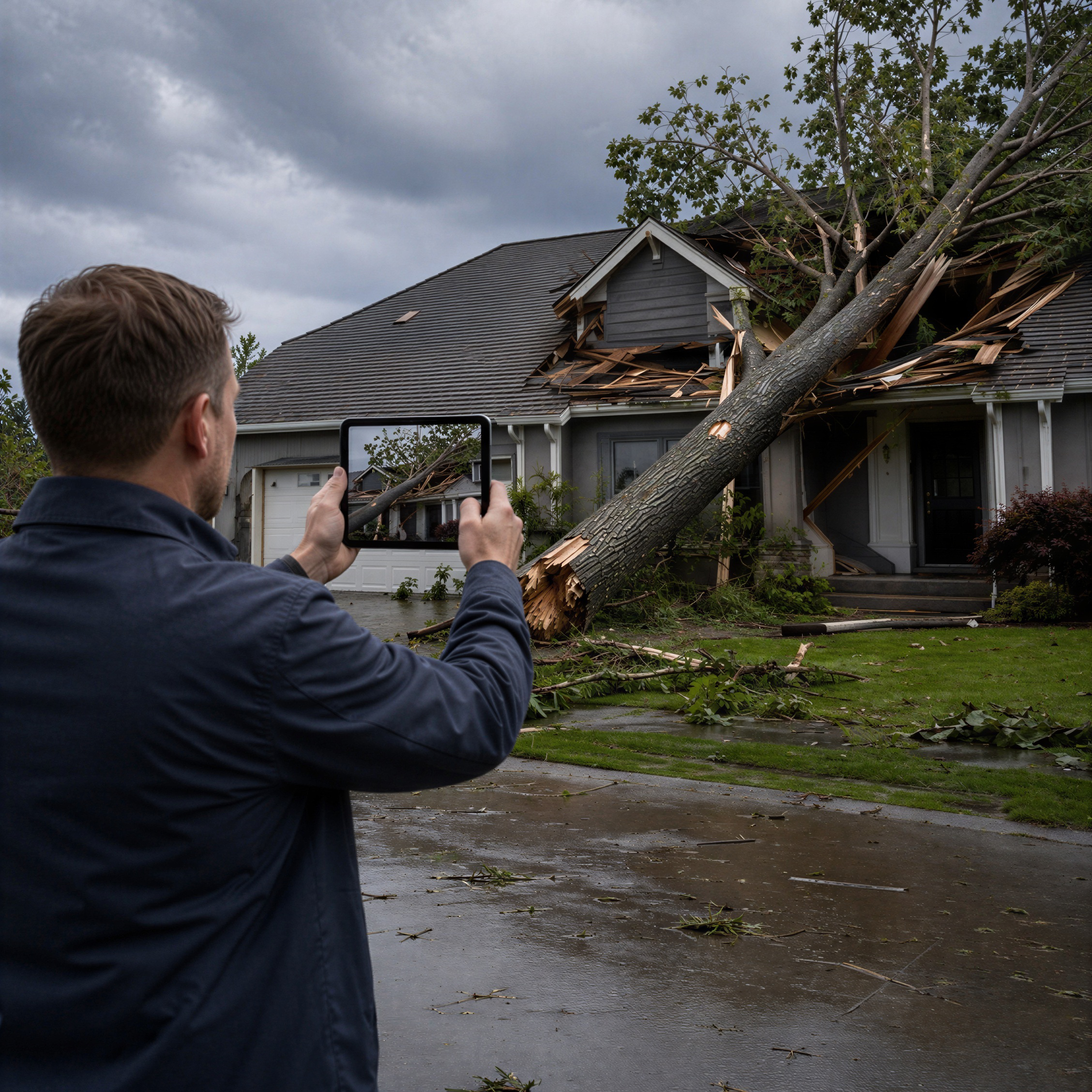
The First Insurance Estimate May Not Cover the Full Repair
An initial insurance estimate is often prepared before demolition is complete, before hidden damage is visible, or before every construction detail is fully understood.
That does not necessarily mean the estimate is wrong. It may simply mean the full repair scope was not yet known. CubeX compares the estimate with the actual conditions in the home and helps identify legitimate construction items that may need to be added or clarified.
An Insurance Estimate Is a Starting Point, Not the Construction Plan
Insurance estimates document the known loss, but they still have to translate into real construction. Measurements, material quantities, labor, code requirements, repair methods, demolition, adjoining finishes, and hidden conditions can all affect what it actually takes to rebuild the home.
CubeX looks at the estimate from a contractor’s perspective: What has to be removed? What has to be rebuilt? What trades are required? What materials are missing? And does the written scope match the work the home actually needs?
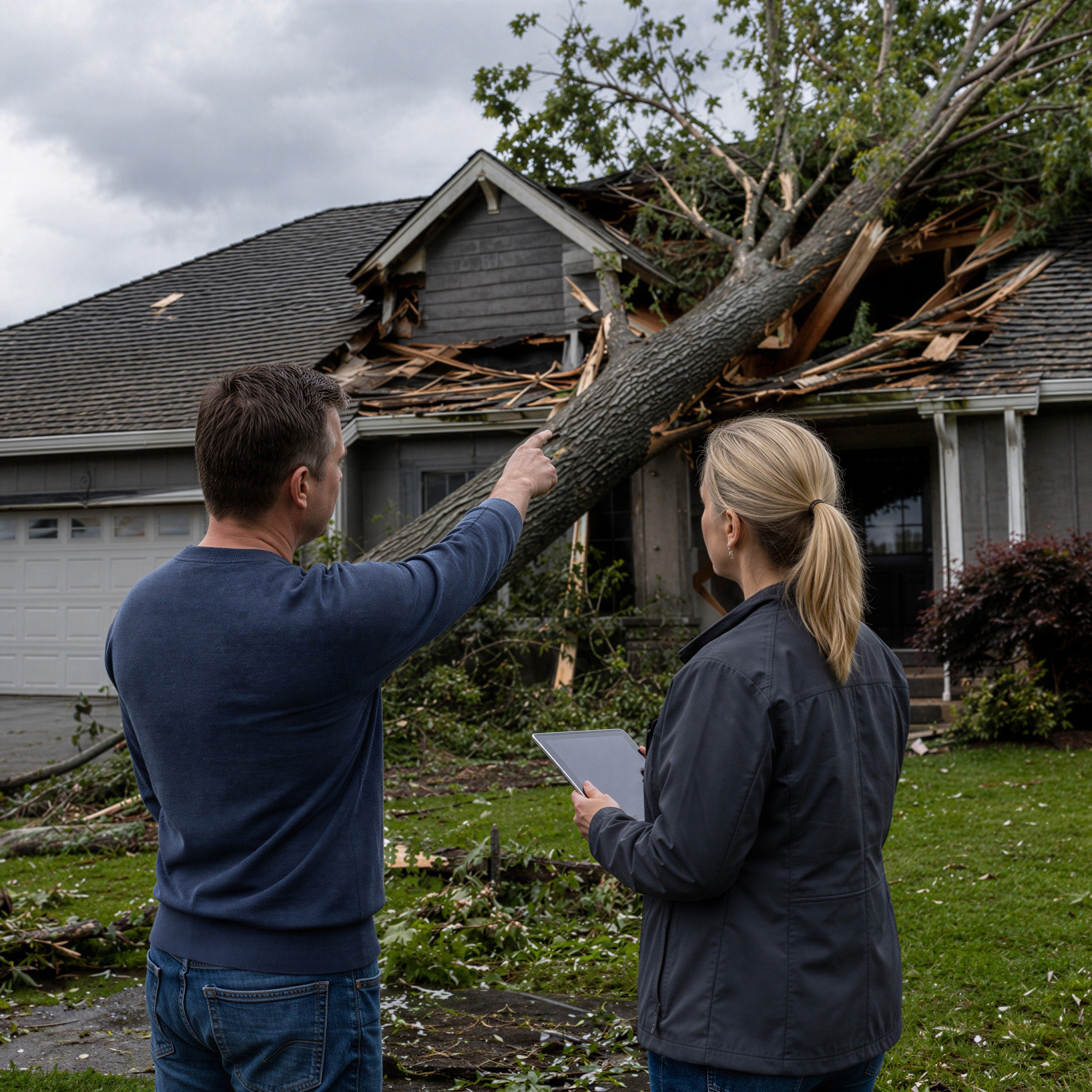
What It Feels Like to Work With CubeX
You Understand What the Estimate Actually Says
We help translate a long list of insurance line items into the repair work they represent.
You Know What May Be Missing
CubeX compares the documented scope with the actual construction conditions and identifies legitimate gaps that may need further review.
You Have a Clearer Repair Plan
The estimate becomes part of a practical reconstruction plan instead of a stack of unfamiliar codes, quantities, and abbreviations.
You Have One Team Looking at the Whole Repair
CubeX considers the estimate, the damage, the trades, the sequencing, and the reconstruction as one connected project.
What Can Be Missing From an Insurance Repair Estimate?
Every loss is different, but repair estimates may need additional review when demolition reveals new conditions or when parts of the construction were not fully documented during the first inspection.
CubeX commonly reviews repair scopes involving:
- Hidden damage – Problems exposed after demolition
- Drywall and insulation – Missing or incomplete replacement areas
- Flooring – Adjoining areas, underlayment, or subfloor repairs
- Cabinets and countertops – Removal, replacement, or related finish work
- Framing – Structural or non-structural repair needs
- Roofing and exterior repairs – Materials, flashing, siding, or related work
- Electrical and plumbing – Repairs required to complete reconstruction
- Paint and finishes – Areas needed for a complete finished repair
- Labor and access – Work required to actually perform the repair
- Code-related items – Construction requirements that may apply to the project
- Demolition – Materials that must be removed before reconstruction
- Specialty trades – Work requiring qualified contractors or specialists

If Legitimate Repairs Are Missing, the Estimate May Need a Supplement

A supplemental estimate documents necessary repair work not included in the original insurance estimate or that could not reasonably have been identified during the first inspection.
CubeX can prepare supporting construction information such as photographs, measurements, repair details, estimates, and explanations of the required work. The insurance carrier reviews that information and determines whether the additional work is covered.
The goal is not to inflate the claim. The goal is to make sure the repair scope reflects the work the home actually needs.
OUR PROCESS
How the CubeX Insurance Estimate Review Works
1
Show Us Where Things Stand
Send us the insurance estimate and tell us what happened to the property.
We review the current claim and repair situation so we understand what has already been documented.
2
We Inspect the Property
CubeX evaluates the damaged areas and compares the visible conditions with the repair scope.
If mitigation or demolition has already been completed, we also review what was removed and what remains to be rebuilt
3
We Compare the Estimate With the Actual Repair
We review measurements, materials, labor, construction methods, and the different trades required to restore the property.
The goal is to determine whether the written estimate reflects the real construction work.
4
We Identify Legitimate Scope Gaps
If repair items appear to be missing or additional damage has become visible, CubeX documents those conditions.
We focus on actual construction requirements rather than simply trying to increase the estimate.
5
We Help Document Additional Repair Needs
When appropriate, CubeX prepares photographs, measurements, estimates, and construction details that can be provided for supplemental insurance review.
Coverage decisions remain with the insurance carrier.
6
We Can Manage the Reconstruction
Once the repair scope is established, CubeX can coordinate the trades, materials, scheduling, permits, inspections, and construction required to complete the repairs.
You can move directly from estimate review into a managed reconstruction project with one point of contact.
No matter where you are in the restoration process, Cubex can help you take the next step.
FAQs
What is an insurance repair estimate review?
An insurance repair estimate review is a comparison between the insurance company’s written repair scope and the actual construction required to restore the damaged property.
CubeX reviews insurance repair estimates for Colorado homeowners after fire, water, storm, mitigation, and other covered property losses. We compare the documented line items, measurements, materials, and repair methods with the conditions in the home to help identify legitimate missing scope or reconstruction needs before or during the repair process.
Why might an insurance repair estimate be too low?
An insurance repair estimate may appear too low when the full damage was not visible during the original inspection, when demolition exposes additional conditions, or when certain materials, labor, or construction requirements were not included in the initial scope.
The first estimate is often based on what could reasonably be seen at that time. CubeX reviews the estimate against the actual repair requirements and helps identify legitimate construction items that may need clarification or supplemental review.
What does CubeX look for when reviewing an insurance estimate?
CubeX reviews the estimate from the perspective of the contractor responsible for actually rebuilding the home.
We look at measurements, demolition, materials, labor, flooring, drywall, cabinetry, roofing, framing, plumbing, electrical work, paint, finish repairs, specialty trades, and other construction requirements. We also compare the estimate with conditions exposed during mitigation or demolition to determine whether the documented repair scope matches the work needed to restore the property.
What is a supplemental insurance estimate?
A supplemental insurance estimate documents additional necessary repair work that was not included in the original insurance estimate or could not reasonably have been identified during the initial inspection.
A supplement may include photographs, measurements, contractor estimates, repair details, invoices, or explanations of construction requirements. CubeX can help document legitimate additional repair needs and provide supporting construction information for insurance review. The insurance carrier makes the final coverage decision.
Does CubeX negotiate with my insurance company?
CubeX communicates with insurance adjusters and other parties about construction scope, repair methods, pricing, estimates, and supporting documentation related to the reconstruction.
CubeX does not act as a public adjuster, interpret insurance policy coverage, or make coverage decisions. Our role is to accurately document the construction work required to repair the home and help explain legitimate differences between the insurance estimate and the actual repair scope.
Should I have my estimate reviewed before repairs begin?
In many cases, reviewing the insurance repair estimate before reconstruction begins can help identify scope questions early and create a clearer repair plan.
However, some additional damage cannot be discovered until demolition or mitigation is complete. CubeX can review the estimate before work begins, after mitigation, or during reconstruction when new conditions become visible. The important point is to compare the written insurance scope with the actual construction requirements before important repair decisions are made.
What happens if CubeX finds something missing from the insurance estimate?
If CubeX identifies a legitimate repair item that appears to be missing, we document the construction need and determine what supporting information may be appropriate.
That documentation may include photographs, measurements, estimates, repair descriptions, or specialty contractor information. The additional material can then be provided for supplemental insurance review. CubeX focuses on accurate repair scope and proper reconstruction rather than simply increasing the value of the claim.
Can CubeX review an estimate from another contractor or restoration company?
Yes. CubeX can review the current insurance repair scope even if another contractor, mitigation company, or restoration provider has already been involved in the project.
We evaluate where the project stands, what work has been completed, what remains to be repaired, and whether the insurance estimate reflects the actual reconstruction needs. CubeX can then take over the repair project if the homeowner wants one contractor to manage the reconstruction through completion.
Can CubeX handle the repairs after reviewing the estimate?
Yes. CubeX can move directly from insurance estimate review into the repair and reconstruction process.
Once the repair scope is established, CubeX can coordinate the crews, materials, specialty partners, scheduling, permits, inspections, and construction sequencing required to complete the project. This gives homeowners one point of contact from estimate review through finished repairs.