
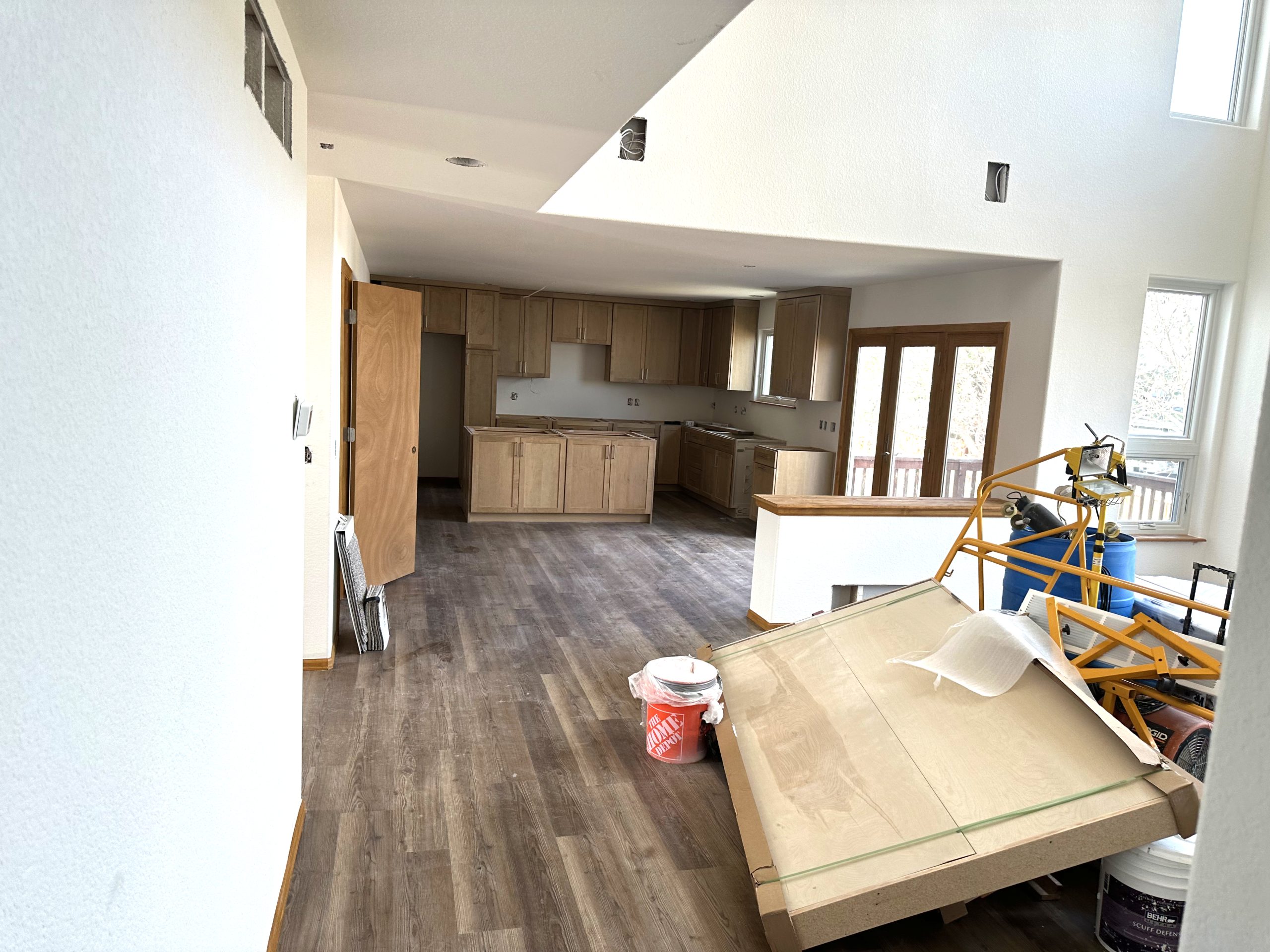
Your Home Needs a Clear Repair Plan
Once the emergency has been stabilized, the next challenge is understanding what needs to be repaired, what the insurance estimate includes, and how all the pieces of reconstruction will come together.
CubeX reviews where the project stands, identifies the remaining repair needs, and develops a coordinated path forward. You get one team helping manage the construction instead of trying to assemble the project yourself.
Disaster Cleanup and Disaster Reconstruction Are Different Jobs
Emergency mitigation focuses on stopping additional damage. That may include water extraction, drying, smoke cleanup, demolition, mold remediation, tarping, or other work needed to stabilize the property.
Residential disaster reconstruction begins after that emergency work. CubeX repairs and rebuilds the damaged areas, coordinates the required trades, reviews the insurance repair scope, and manages the project through completion.
Already working with a mitigation company? That’s completely normal. CubeX can step in after the emergency work and take over the reconstruction.
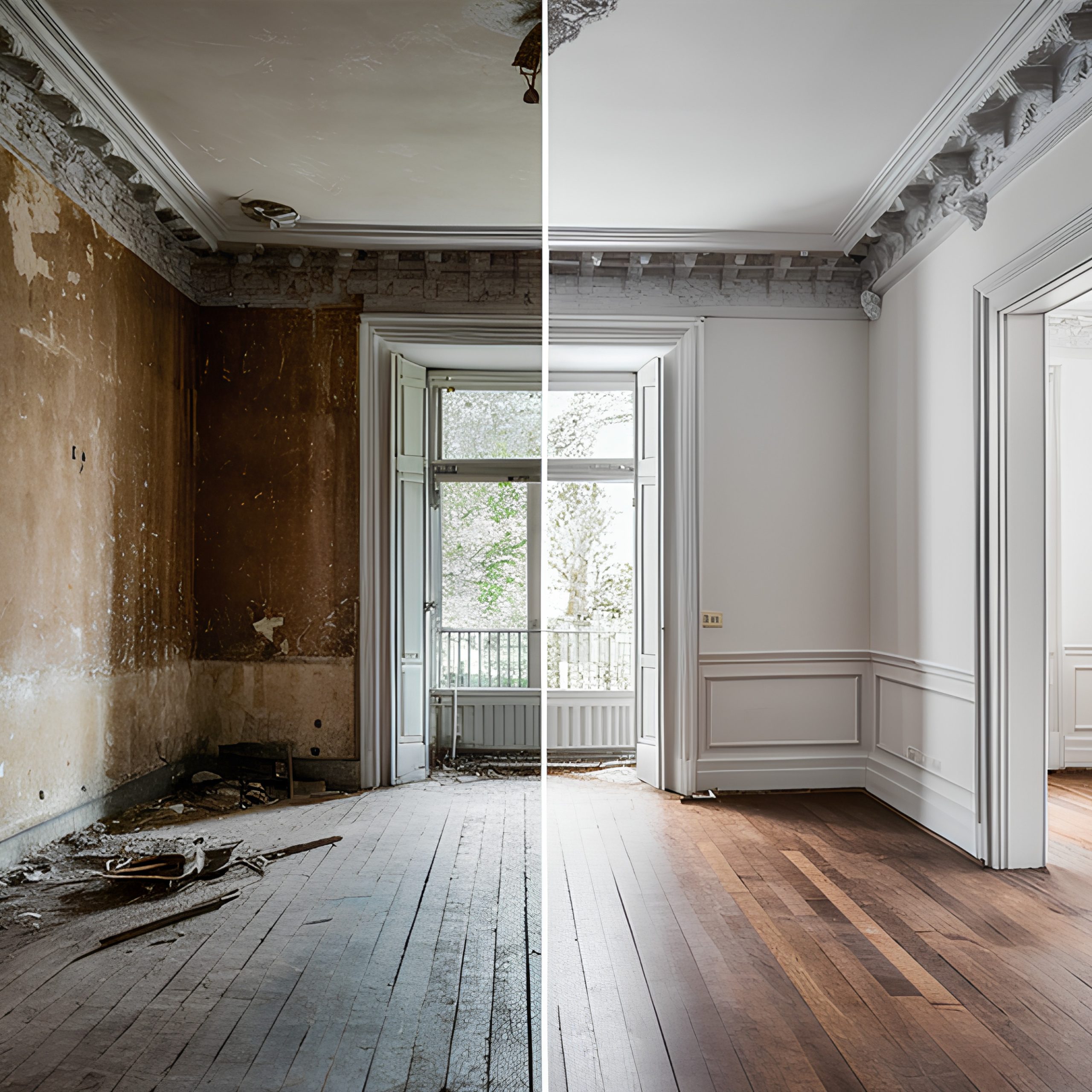
Cleanup Stops the Damage. Reconstruction Gives You Your Home Back.
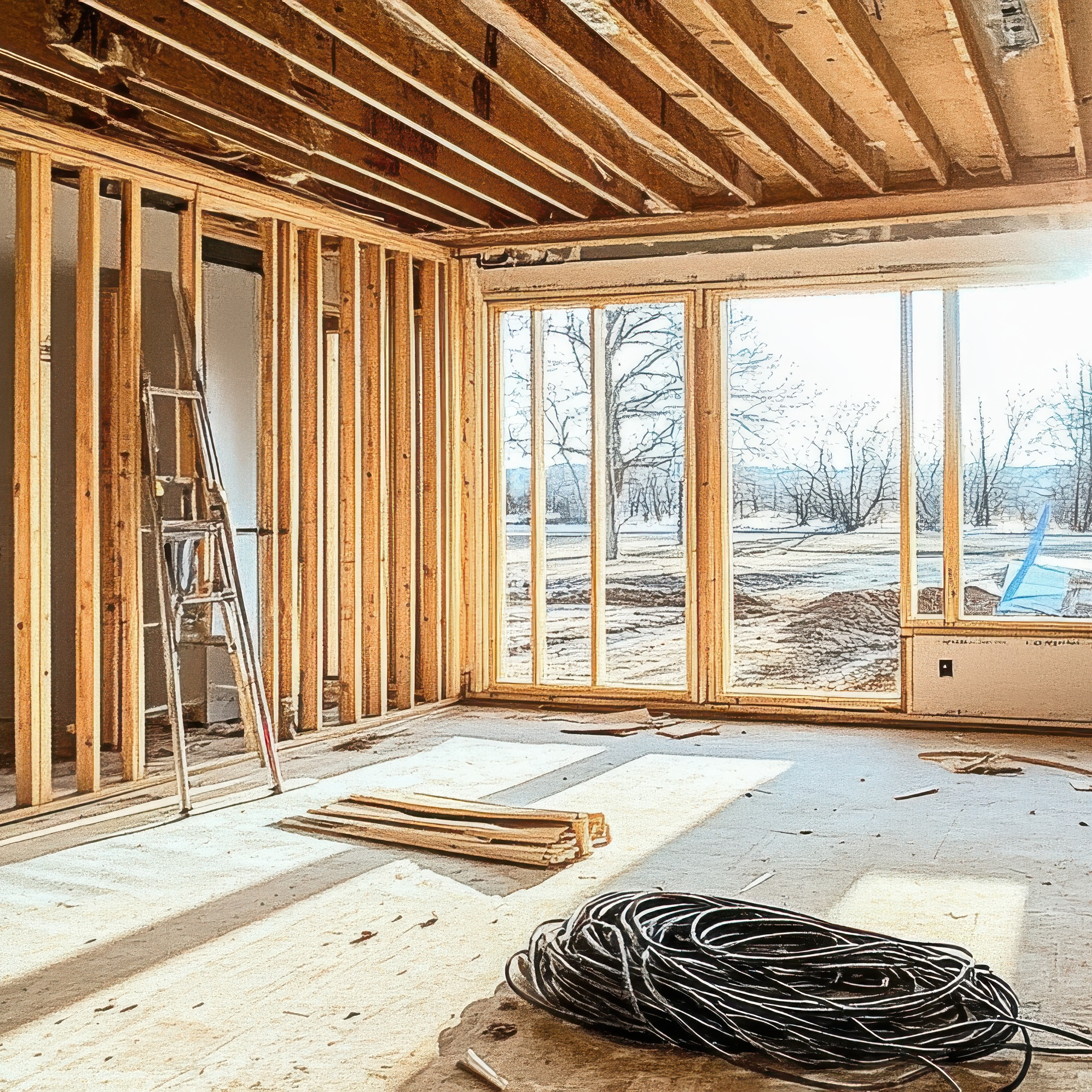
Mitigation companies focus on stopping further damage by removing water, cleaning smoke and soot, drying the structure, and removing damaged materials.
CubeX takes over where cleanup leaves off. We rebuild the damaged areas, coordinate the necessary trades, and help turn a partially demolished property back into a complete home.
Water damage restoration can include both mitigation and reconstruction. CubeX specializes in the reconstruction side: repairing and rebuilding the home after emergency cleanup and mitigation are complete.
What It Feels Like to Work With CubeX
You Know What Happens Next
We review where things stand, explain what still needs to happen, and give you a clear path toward completed repairs.
You Deal with One Team
CubeX coordinates contractors, materials, scheduling, inspections, and construction so you are not left managing every piece yourself.
You Have Big Picture Clarity
We look at the entire reconstruction, including insurance documentation, trades, repair sequencing, materials, and how the individual repairs fit together
You Focus on Getting Back to Normal
Damage to your home already creates enough disruption. CubeX handles the reconstruction details so you can spend less time managing contractors and more time getting your life back on track.
Insurance Estimates Do Not Always Tell the Entire Repair Story
An initial insurance estimate may be prepared before demolition is complete or before all the damage can be fully evaluated. Additional construction needs can become visible as damaged materials are removed and the home is inspected more closely.
Have you had this thought? “The estimate seems low. Now what?”
CubeX compares the insurance repair scope with the actual conditions in the home. When legitimate repair items are missing, we document the construction need and provide supporting information for supplemental insurance review.
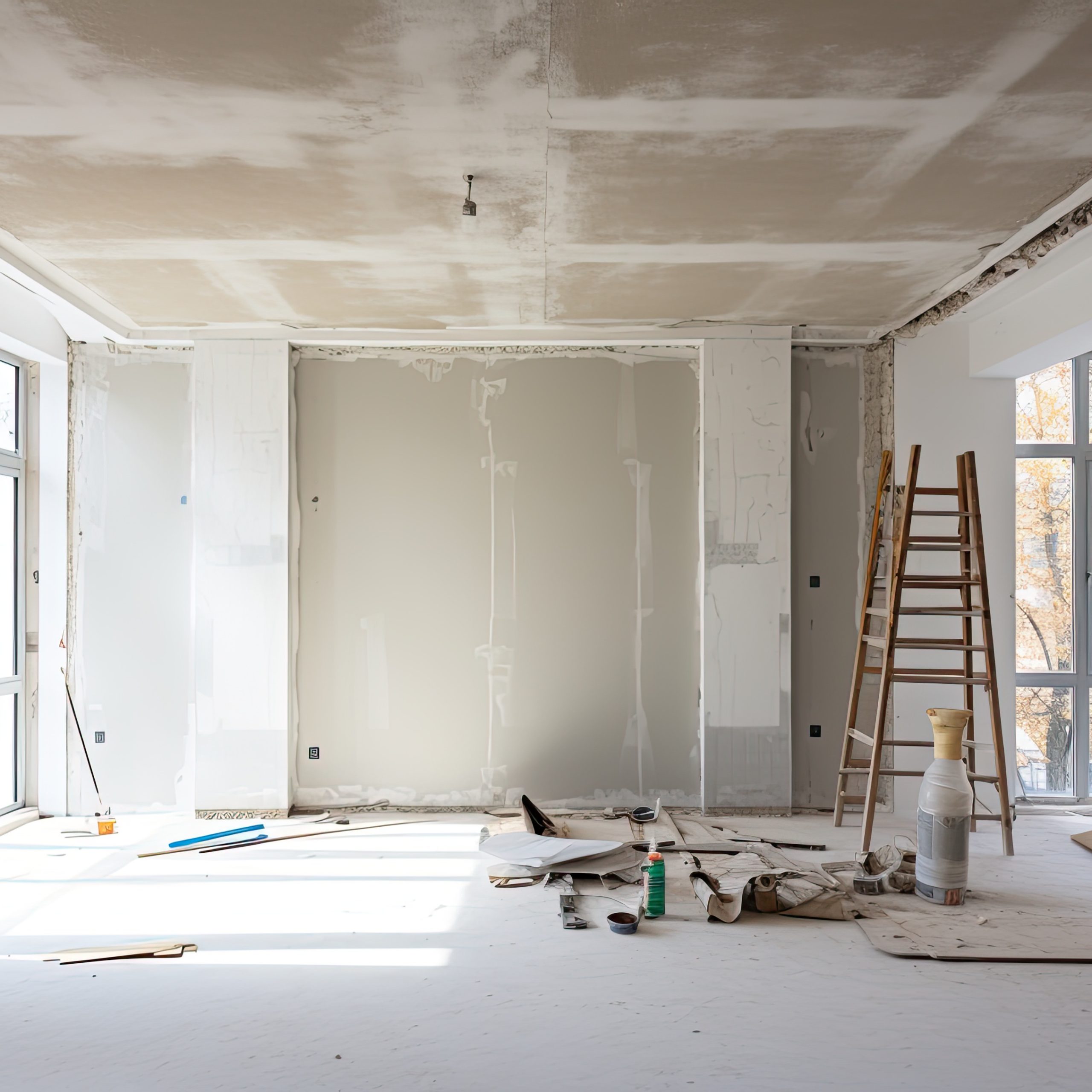
One Contractor to Coordinate the Reconstruction

Residential disaster repairs can involve drywall, flooring, cabinetry, framing, roofing, painting, plumbing, electrical work, insulation, trim, and other specialized trades.
CubeX manages those pieces as one coordinated reconstruction project, giving you one team responsible for subcontractors, scheduling, materials, inspections, and moving the work toward completion.
OUR PROCESS
How Residential Disaster Restoration Works
1
We Start With Where You Are
You may contact CubeX immediately after the loss, while mitigation is underway, after cleanup is complete, or after you have received an insurance estimate.
We review what happened, what work has already been completed, and what still needs to be repaired.
2
We Inspect the Damage
CubeX evaluates the affected areas and reviews completed mitigation, demolition, or other emergency work.
We identify the remaining repair needs and determine whether specialized trades, engineering, or additional inspections are necessary.
3
We Review the Repair Scope and Insurance Estimate
We compare the insurance estimate with the actual construction requirements, including measurements, materials, labor, and the known conditions in the home.
If something appears to be missing or additional damage is discovered, we document the difference before reconstruction proceeds.
4
We Help Document Additional Repair Needs
Not every repair can be identified during the first insurance inspection.
When additional construction is necessary, CubeX prepares supporting documentation that can be provided for supplemental insurance review.
5
We Manage the Reconstruction
Once the repair scope is established, CubeX coordinates contractors, materials, scheduling, permits, inspections, and construction sequencing.
You have one team responsible for keeping the residential restoration project organized and moving forward.
6
We Walk the Finished Home With You
When construction is complete, we walk through the finished work with you and address any remaining details.
The goal is not simply to close a construction project. It is to help you reach the point where your home and daily life feel normal again.
No matter where you are in the restoration process, Cubex can help you take the next step.
FAQs
What is residential disaster restoration?
Residential disaster restoration is the process of repairing and rebuilding a home after damage caused by fire, water, storms, mold remediation, or another property loss. It can include both emergency mitigation and the reconstruction required after the property has been stabilized.
CubeX specializes in the repair and reconstruction side of residential disaster restoration. Depending on the loss, that may include drywall, flooring, cabinetry, framing, roofing, electrical work, plumbing, painting, insulation, trim, and other construction. We coordinate those repairs along with the insurance-related construction documentation needed to move the project toward completion.
What is the difference between disaster mitigation and reconstruction?
Disaster mitigation focuses on stopping additional damage, while reconstruction repairs and rebuilds the property after mitigation is complete. Mitigation may involve water extraction, structural drying, smoke cleanup, mold remediation, demolition, tarping, or other emergency services.
Reconstruction begins once the property is ready to be repaired. CubeX can take over after a mitigation company has completed the emergency work, evaluate the remaining damage, review the insurance repair scope, and coordinate the construction needed to restore the home.
What types of residential disasters does CubeX handle?
CubeX provides residential reconstruction after fire damage, water damage, storm damage, mitigation, remediation, and other insured property losses. Our primary role is helping homeowners rebuild once the immediate damage has been stabilized.
Projects can range from repairing several damaged rooms to coordinating more extensive residential reconstruction involving structural work, kitchens, bathrooms, flooring, drywall, roofing, electrical systems, plumbing, and interior finishes. CubeX evaluates the actual damage and develops the repair approach around the needs of the individual home.
Can CubeX take over after another restoration company?
Yes. CubeX can take over the reconstruction even when another company performed the initial mitigation, water extraction, fire cleanup, mold remediation, or emergency demolition.
This is common in residential insurance restoration. CubeX reviews the work already completed, inspects the remaining conditions, evaluates the insurance repair scope, and develops a plan for the reconstruction. Homeowners do not necessarily have to use the same company for both emergency mitigation and the rebuilding phase.
Does CubeX work with homeowners insurance companies?
Yes. CubeX communicates with insurance adjusters and other parties about construction scope, estimates, pricing, repair methods, and supporting documentation related to residential disaster repairs.
Our role is to explain and document the construction required to restore the home. When legitimate repair items are not included in the original insurance estimate, CubeX can provide supporting information for supplemental review. CubeX does not act as a public adjuster, interpret insurance coverage, or determine whether a loss is covered.
What if additional damage is discovered during reconstruction?
Additional damage can become visible after demolition or reconstruction begins because some conditions cannot be seen during the initial insurance inspection. Removing drywall, flooring, cabinetry, insulation, roofing, or other materials can reveal additional repair needs.
CubeX documents the newly discovered condition and determines how it affects the repair scope. When appropriate, photographs, measurements, estimates, and other construction information can be provided for supplemental insurance review before the additional work moves forward.
How long does residential disaster restoration take?
The timeline for residential disaster restoration depends on the type of loss, the extent of the damage, and the amount of reconstruction required. A smaller water-damage repair may move relatively quickly, while a large fire loss or structural reconstruction can require substantially more time.
Insurance approvals, supplemental estimates, engineering, permits, inspections, material availability, specialized trades, and homeowner selections can also affect the schedule. CubeX develops the construction timeline around the actual repair scope and keeps homeowners informed as the project progresses.
Do I have to manage all of the subcontractors myself?
No. One of the primary benefits of working with a residential disaster reconstruction contractor is having one company coordinate the different trades involved in the repair.
CubeX manages subcontractors, materials, scheduling, inspections, and construction sequencing as part of one project. Depending on the loss, that can include drywall, flooring, roofing, cabinetry, plumbing, electrical work, painting, framing, and finish carpentry without requiring the homeowner to coordinate each contractor independently